



When addiction takes hold of your life or the life of someone you love, finding the right treatment facility becomes one of the most important decisions you’ll ever make. The journey to recovery requires more than just willpower—it demands comprehensive, evidence-based care delivered by compassionate professionals who understand the complexities of substance use disorders and co-occurring mental health conditions. For residents of Eastern Washington seeking quality addiction treatment, drug rehab centers Spokane Washington offer a range of therapeutic programs designed to address the unique needs of each individual struggling with substance abuse.
At Breakthrough Recovery, we understand that addiction doesn’t discriminate. It affects people from all walks of life, regardless of age, background, or socioeconomic status. What matters most is finding a treatment center that provides the clinical expertise, therapeutic modalities, and supportive environment necessary for lasting recovery. In this comprehensive guide, we’ll explore what makes effective addiction treatment, the types of programs available at drug rehab centers Spokane Washington, and how to choose the facility that’s right for you or your loved one.
Understanding Addiction as a Complex Disease
Addiction is a chronic brain disease that affects the reward, motivation, and memory circuits in the brain. It’s characterized by the compulsive use of substances despite harmful consequences, and it often co-occurs with mental health disorders such as depression, anxiety, bipolar disorder, and trauma-related conditions. This complexity is why effective treatment must address both the substance use and any underlying mental health issues simultaneously.
The substances we treat at Breakthrough Recovery represent some of the most challenging addictions facing our community today. Alcohol addiction remains one of the most prevalent substance use disorders in the United States, affecting millions of Americans and causing significant health complications when left untreated. Marijuana addiction, while often underestimated, can lead to psychological dependence and interfere with daily functioning. The opioid epidemic has brought fentanyl addiction to the forefront, with this synthetic opioid proving particularly deadly due to its potency. Cocaine addiction and methamphetamine addiction continue to devastate lives and families, while the broader category of opioid addiction encompasses prescription painkillers and heroin that have claimed countless lives across our nation.
When searching for drug rehab centers Spokane Washington, it’s essential to find facilities that recognize addiction as a medical condition requiring professional intervention rather than a moral failing. This perspective informs every aspect of quality treatment, from initial assessment through aftercare planning.
The Importance of Dual Diagnosis Treatment
One of the most critical factors in successful addiction treatment is addressing co-occurring mental health disorders. Research consistently shows that individuals with substance use disorders frequently struggle with conditions like depression disorder, anxiety disorder, bipolar disorder, and trauma or PTSD disorder. These conditions often fuel addiction as individuals attempt to self-medicate their emotional pain or manage distressing symptoms.
Depression disorder can manifest as persistent sadness, loss of interest in activities, changes in sleep and appetite, and feelings of worthlessness. When combined with substance abuse, depression can create a dangerous cycle where substances temporarily alleviate symptoms but ultimately worsen the underlying condition. Anxiety disorder encompasses various conditions including generalized anxiety, panic disorder, and social anxiety, all of which can drive individuals toward substances as a coping mechanism.
Bipolar disorder presents unique treatment challenges due to the cycling between manic and depressive episodes, making medication management and therapeutic intervention essential components of recovery. Perhaps most significantly, trauma and PTSD disorder often underlie addiction, as individuals who have experienced abuse, violence, accidents, or other traumatic events may turn to substances to numb emotional pain or manage intrusive memories and hypervigilance.
The most effective drug rehab centers Spokane Washington provide integrated treatment that addresses both substance use and mental health simultaneously. This dual diagnosis approach recognizes that treating only one condition while ignoring the other sets individuals up for relapse and continued suffering.
Levels of Care: Finding the Right Program Intensity
Not everyone requires the same level of treatment intensity. The continuum of care in addiction treatment ranges from medically supervised detoxification through various outpatient programs, allowing individuals to receive care appropriate to their specific needs and circumstances. Understanding these different levels helps families make informed decisions when evaluating drug rehab centers Spokane Washington.
Partial Hospitalization Program (PHP)
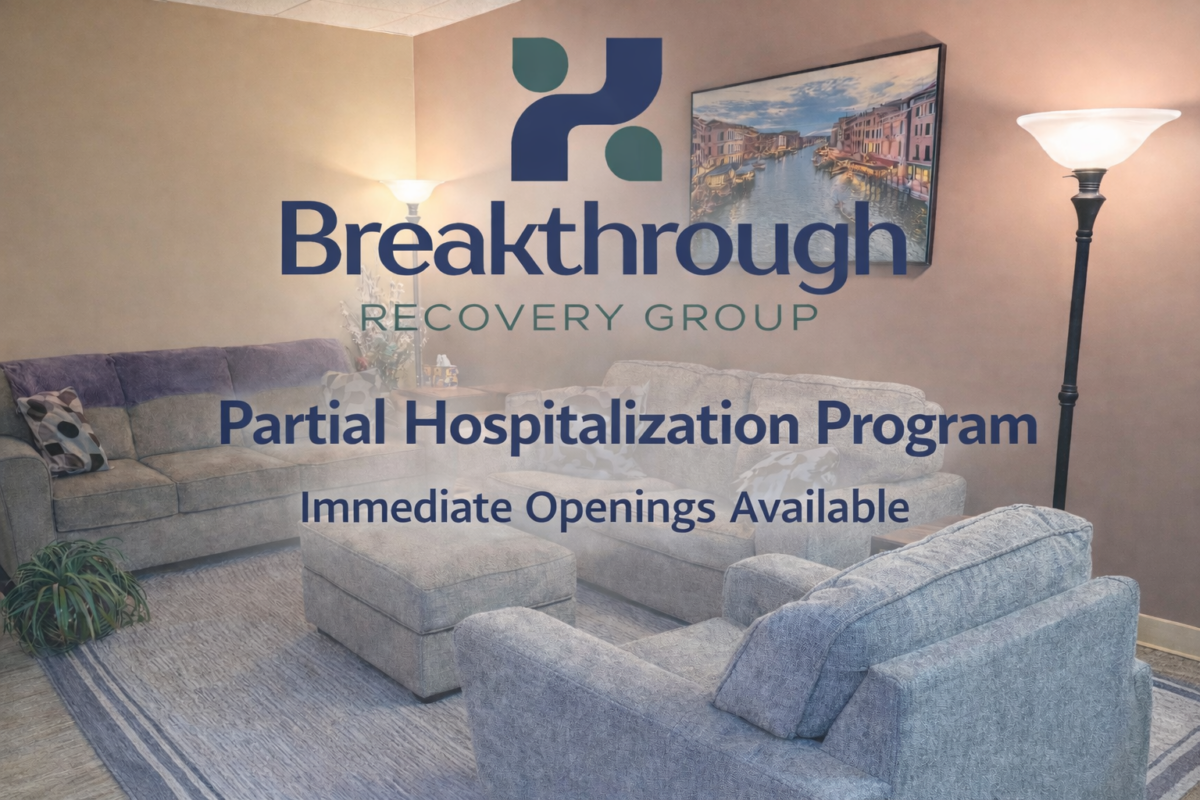
A Partial Hospitalization Program represents the highest level of outpatient care, providing structured treatment for five to seven days per week, typically for six hours per day. This intensive program is ideal for individuals who have completed detoxification or residential treatment and need continued support while transitioning back to their daily lives. PHP is also appropriate for those whose addiction is severe but who have a stable living environment that supports recovery.
In our PHP at Breakthrough Recovery, clients participate in multiple therapy sessions daily, including both individual and group counseling. They receive psychiatric services, medication management when appropriate, and comprehensive case management to address housing, employment, and other practical concerns that might threaten recovery. The structured nature of PHP provides the support necessary during the vulnerable early stages of recovery while allowing clients to return home each evening, practicing new coping skills in their actual living environment.
Intensive Outpatient Program (IOP)
An Intensive Outpatient Program offers a step down in intensity while maintaining robust therapeutic support. IOP typically involves treatment three to five days per week for three to four hours per session. This level of care works well for individuals who have progressed through PHP or who are entering treatment with moderate substance use disorders and sufficient external support systems.
IOP allows clients to maintain work or school commitments while receiving quality treatment. The program provides enough structure and accountability to support recovery while offering increased independence. Many drug rehab centers Spokane Washington recommend IOP as a transitional step between more intensive treatment and standard outpatient care, creating a gradual reduction in support that helps prevent relapse.
Outpatient Program (OP)
Standard Outpatient Programs provide the most flexibility, typically involving one to three sessions per week. This level of care suits individuals who have completed more intensive treatment, those with mild substance use disorders and strong support systems, or people who need ongoing support to maintain long-term recovery. Outpatient treatment focuses on relapse prevention, continued skill development, and addressing ongoing life challenges that could threaten sobriety.
The journey through addiction treatment isn’t always linear. Individuals may move between different levels of care based on their progress and changing needs. Quality drug rehab centers Spokane Washington conduct regular assessments to ensure each person receives the appropriate level of support throughout their recovery journey.
Evidence-Based Therapeutic Approaches
The therapeutic modalities employed by a treatment center significantly impact treatment effectiveness. At Breakthrough Recovery, we utilize evidence-based approaches that have been rigorously studied and proven effective for treating substance use disorders and co-occurring mental health conditions.
Dialectical Behavioral Therapy (DBT)
Originally developed to treat borderline personality disorder, Dialectical Behavioral Therapy has proven highly effective for addiction treatment, particularly for individuals who struggle with emotional regulation. DBT teaches four essential skill sets: mindfulness, distress tolerance, emotion regulation, and interpersonal effectiveness. These skills help individuals manage the intense emotions and interpersonal conflicts that often trigger substance use.
Mindfulness practices teach clients to stay present rather than ruminating on the past or worrying about the future. Distress tolerance skills provide healthy alternatives to substance use when facing difficult situations. Emotion regulation techniques help individuals identify, understand, and manage their emotional experiences without becoming overwhelmed. Interpersonal effectiveness skills enable clients to communicate their needs, set boundaries, and maintain healthy relationships—all crucial for sustained recovery.
Cognitive Behavioral Therapy (CBT)
Cognitive Behavioral Therapy represents the gold standard in addiction treatment. CBT operates on the principle that our thoughts, feelings, and behaviors are interconnected, and that changing negative thought patterns can lead to changes in feelings and behaviors. In addiction treatment, CBT helps individuals identify the thoughts and beliefs that contribute to substance use and develop healthier thinking patterns.
Through CBT, clients learn to recognize triggers, challenge distorted thinking, and develop coping strategies for high-risk situations. The practical, skills-based nature of CBT makes it particularly effective for addiction, as clients leave treatment with concrete tools they can apply in their daily lives. When searching for drug rehab centers Spokane Washington, prioritize facilities that offer comprehensive CBT as a core component of their programming.
Motivational Interviewing
Ambivalence about change is common in addiction. People often simultaneously want to stop using substances and fear life without them. Motivational Interviewing is a counseling approach that helps resolve this ambivalence by eliciting and strengthening a person’s own motivation for change. Rather than confronting or convincing, therapists using Motivational Interviewing guide clients toward discovering their own reasons for pursuing recovery.
This client-centered approach respects autonomy while gently helping individuals explore the discrepancies between their current behavior and their values or goals. By the end of Motivational Interviewing sessions, clients have typically articulated their own compelling reasons for change, making them far more likely to engage fully in treatment and maintain motivation during difficult moments.
Relapse Prevention
Relapse prevention training equips individuals with strategies to maintain sobriety long after formal treatment ends. This approach involves identifying personal triggers, developing a comprehensive relapse prevention plan, building a support network, and creating strategies for managing high-risk situations. Relapse prevention acknowledges that recovery is an ongoing process that requires constant vigilance and adaptation.
Effective relapse prevention teaches individuals to recognize warning signs that precede actual substance use—changes in thinking, emotions, or behavior that indicate increased relapse risk. By identifying these warning signs early, individuals can implement coping strategies before reaching a crisis point. Quality drug rehab centers Spokane Washington make relapse prevention a central component of treatment, ensuring clients leave with a detailed plan for maintaining their recovery.
EMDR (Eye Movement Desensitization and Reprocessing)
For individuals whose addiction stems from trauma, Eye Movement Desensitization and Reprocessing offers powerful healing. EMDR helps individuals process traumatic memories that may be driving substance use. Through bilateral stimulation (typically eye movements), EMDR facilitates the brain’s natural healing process, allowing traumatic memories to be reprocessed in a way that reduces their emotional intensity.
Many people with trauma histories use substances to suppress flashbacks, intrusive thoughts, or overwhelming emotions related to their experiences. EMDR addresses the root cause of this suffering, often leading to dramatic reductions in PTSD symptoms and decreased desire to use substances as a coping mechanism. This specialized therapy has transformed countless lives and represents an essential service offered by comprehensive drug rehab centers Spokane Washington.
The Critical Role of Family Support
Addiction affects entire families, not just the individual struggling with substance use. Family members often experience their own trauma, develop unhealthy coping patterns, and need support to heal. Additionally, family dynamics can either support or undermine recovery efforts. For these reasons, family support services form an integral part of effective addiction treatment.
Family therapy sessions help improve communication, address enabling behaviors, heal relationship wounds, and create a home environment conducive to recovery. Family members learn about addiction as a disease, how to set healthy boundaries, and how to support their loved one’s recovery without sacrificing their own wellbeing. Many families discover that addiction treatment becomes a catalyst for overall family healing, leading to stronger, healthier relationships.
At Breakthrough Recovery, we recognize that involving families in treatment significantly improves outcomes. We offer family education sessions, multi-family groups, and individual family therapy to ensure that everyone affected by addiction receives the support they need. When evaluating drug rehab centers Spokane Washington, ask about family programming and how the facility involves loved ones in the treatment process.
Holistic Approaches: Nutritional Coaching
While evidence-based therapies form the foundation of effective treatment, holistic approaches address the whole person—mind, body, and spirit. Nutritional coaching represents one such holistic service that significantly impacts recovery. Substance abuse often leads to severe nutritional deficiencies, as individuals may neglect proper eating, experience appetite changes, or prioritize substance use over self-care.
Poor nutrition affects brain function, mood regulation, energy levels, and overall physical health—all factors that influence recovery success. Nutritional coaching helps individuals understand the connection between diet and mental health, develop healthy eating habits, plan and prepare nutritious meals, and address specific nutritional deficiencies that may be impacting their recovery.
Many individuals in early recovery experience intense cravings that can be partially managed through proper nutrition. Blood sugar fluctuations, for example, can trigger mood changes and cravings for substances. A balanced diet stabilizes blood sugar, improves mood, and provides the physical foundation necessary for healing. Drug rehab centers Spokane Washington that incorporate nutritional coaching demonstrate a commitment to comprehensive, whole-person care.

What to Look for in Quality Drug Rehab Centers
When facing the overwhelming task of choosing a treatment facility, keep these essential factors in mind:
Accreditation and Licensing: Ensure the facility is properly licensed by state authorities and accredited by organizations like The Joint Commission or CARF. These credentials indicate that the facility meets rigorous standards for safety and quality care.
Evidence-Based Treatment: Look for facilities that base their programming on scientifically validated approaches like CBT, DBT, and other therapies with proven effectiveness for addiction treatment.
Individualized Treatment Plans: Avoid one-size-fits-all programs. Quality facilities conduct comprehensive assessments and create personalized treatment plans tailored to each client’s unique needs, strengths, and challenges.
Qualified Staff: Inquire about staff credentials. Treatment should be delivered by licensed professionals including addiction counselors, therapists, psychiatrists, and nurses with specialized training in substance use disorders.
Dual Diagnosis Capabilities: Given the high prevalence of co-occurring disorders, ensure the facility can simultaneously treat both addiction and mental health conditions.
Continuing Care Planning: Recovery doesn’t end when formal treatment concludes. Look for facilities that provide comprehensive aftercare planning, alumni services, and support for the transition back to daily life.
Family Involvement: Programs that involve families tend to achieve better outcomes. Ask how the facility incorporates family education and therapy into treatment.
Treatment Philosophy: Understand the facility’s approach to addiction. Does it treat addiction as a disease? Does it use shame-based tactics or a compassionate, evidence-based approach? The facility’s philosophy should align with your values and beliefs about recovery.
Insurance, Cost, and Accessibility Considerations
The cost of addiction treatment varies widely depending on the level of care, duration of treatment, and services provided. Many drug rehab centers Spokane Washington accept various insurance plans, which can significantly reduce out-of-pocket costs. The Mental Health Parity and Addiction Equity Act requires insurance companies to cover mental health and substance use disorder treatment at levels comparable to medical and surgical care.
When investigating treatment options, contact facilities directly to discuss insurance coverage, payment plans, and financial assistance options. Many quality treatment centers have financial counselors who can help navigate insurance benefits and explore funding alternatives. While cost is certainly a consideration, it shouldn’t be the primary factor in choosing a treatment facility. The investment in quality addiction treatment pays dividends in terms of lives saved, families restored, and futures reclaimed.
Taking the First Step Toward Recovery
The decision to seek help for addiction represents an act of courage. Whether you’re personally struggling with substance use or concerned about a loved one, reaching out to drug rehab centers Spokane Washington marks the beginning of a transformative journey. At Breakthrough Recovery, we’ve witnessed countless individuals reclaim their lives from addiction, rebuild damaged relationships, pursue education and career goals, and discover a life beyond their wildest dreams.
Recovery is possible. With the right treatment, support, and commitment, individuals can break free from the cycle of addiction and build fulfilling, substance-free lives. The journey isn’t always easy—it requires dedication, honesty, and a willingness to change. But the alternative—continuing down the path of active addiction—leads only to increasing despair, damaged health, broken relationships, and potentially death.
If you or someone you love is struggling with alcohol addiction, marijuana addiction, fentanyl addiction, cocaine addiction, methamphetamine addiction, opioid addiction, or any other substance use disorder, especially when complicated by depression, anxiety, bipolar disorder, or trauma, help is available. The drug rehab centers Spokane Washington offer a range of programs from partial hospitalization through outpatient services, utilizing evidence-based therapies like DBT, CBT, Motivational Interviewing, EMDR, and comprehensive relapse prevention strategies.
Reach Out Today
Don’t let another day pass in the grip of addiction. Reach out today to begin your journey toward healing and recovery. The life you’ve been hoping for—one characterized by health, purpose, connection, and peace—is within reach. At Breakthrough Recovery, we’re committed to walking alongside you every step of the way, providing the clinical expertise, compassionate support, and comprehensive services necessary for lasting transformation.
Recovery begins with a single step. Make that step today. Contact drug rehab centers Spokane Washington to learn more about treatment options, verify your insurance coverage, and begin the intake process. Your future self will thank you for the courage you demonstrate today. A life free from the bondage of addiction awaits—a life filled with possibilities you may have thought were lost forever. Take that first step. Reach out for help. Your journey to recovery starts now. For more information, visit our website https://btrgspokane.com/ or call us at (509) 927-6838.