





When you or someone you love is struggling with addiction or mental health challenges, finding the right treatment facility can feel overwhelming. The decision to seek help is courageous, and choosing a rehabilitation center Spokane Washington residents can depend on is one of the most important steps toward lasting recovery. With numerous options available, understanding what to look for in a quality treatment program makes all the difference in achieving sustainable healing and wellness.
At Breakthrough Recovery, we understand that every person’s journey is unique. Recovery isn’t a one-size-fits-all process, which is why finding a rehabilitation center Spokane Washington families trust should involve careful consideration of treatment approaches, clinical expertise, and the facility’s commitment to individualized care. This guide will help you navigate the essential factors to consider when selecting a treatment center that aligns with your specific needs and recovery goals.
Understanding the Spectrum of Addiction Treatment
Substance use disorders affect millions of Americans, and the Spokane area is no exception. Whether someone is battling alcohol addiction, struggling with prescription opioid dependence, or facing challenges with methamphetamines, cocaine, fentanyl, or marijuana, professional treatment provides the foundation for recovery. The right rehabilitation center Spokane Washington residents choose should offer comprehensive care that addresses the physical, psychological, and emotional aspects of addiction.
Modern addiction treatment recognizes that substance use disorders are complex medical conditions requiring evidence-based interventions. Quality treatment facilities employ multiple therapeutic modalities tailored to each client’s circumstances, co-occurring disorders, and personal history. This multifaceted approach significantly improves outcomes compared to generic treatment models.
The Critical Role of Dual Diagnosis Treatment
Many individuals seeking addiction treatment also live with co-occurring mental health conditions. Depression, anxiety disorders, bipolar disorder, and trauma-related conditions like PTSD frequently accompany substance use disorders, creating layers of complexity that require specialized expertise. When searching for a rehabilitation center Spokane Washington residents should prioritize facilities offering integrated dual diagnosis treatment.
Treating only the addiction while ignoring underlying mental health issues sets the stage for relapse. Conversely, addressing mental health conditions without tackling substance use leaves recovery incomplete. The most effective treatment centers recognize these interconnections and provide comprehensive care that simultaneously addresses both addiction and mental health challenges through coordinated treatment planning.
Evidence-Based Therapeutic Approaches That Work
The foundation of quality addiction treatment rests on evidence-based therapeutic modalities proven effective through rigorous research. When evaluating any rehabilitation center Spokane Washington offers, inquire about their clinical services and the credentials of their treatment team.
Cognitive Behavioral Therapy (CBT) remains one of the most researched and effective approaches for treating addiction and mental health disorders. CBT helps individuals identify negative thought patterns and behaviors, developing healthier coping mechanisms and problem-solving skills. This structured approach provides practical tools clients can apply throughout their recovery journey and daily life.
Dialectical Behavioral Therapy (DBT) offers another powerful evidence-based treatment, particularly effective for individuals struggling with emotional regulation, self-destructive behaviors, and relationship difficulties. Originally developed for borderline personality disorder, DBT has proven highly effective for addiction treatment, especially when trauma or intense emotional experiences contribute to substance use.
Motivational Interviewing represents a client-centered counseling approach that helps resolve ambivalence about change and strengthens personal motivation for recovery. This collaborative method respects client autonomy while exploring the discrepancies between current behaviors and broader life goals, making it particularly effective during early treatment stages.
For trauma survivors, Eye Movement Desensitization and Reprocessing (EMDR) offers a specialized approach to processing traumatic memories that may fuel addiction. Many individuals turn to substances as a way to cope with unresolved trauma, and EMDR provides an effective pathway to healing these deep wounds without requiring extensive verbal processing of traumatic events.
Relapse prevention education equips clients with strategies to identify triggers, manage cravings, and navigate high-risk situations. Understanding that relapse can be part of the recovery process, quality programs teach practical skills for maintaining sobriety and quickly addressing setbacks should they occur.
Levels of Care: Finding the Right Treatment Intensity
Not everyone requires the same level of treatment intensity. A responsible rehabilitation center Spokane Washington providers operate should offer multiple levels of care, allowing clients to step up or step down based on their clinical needs, recovery progress, and life circumstances.
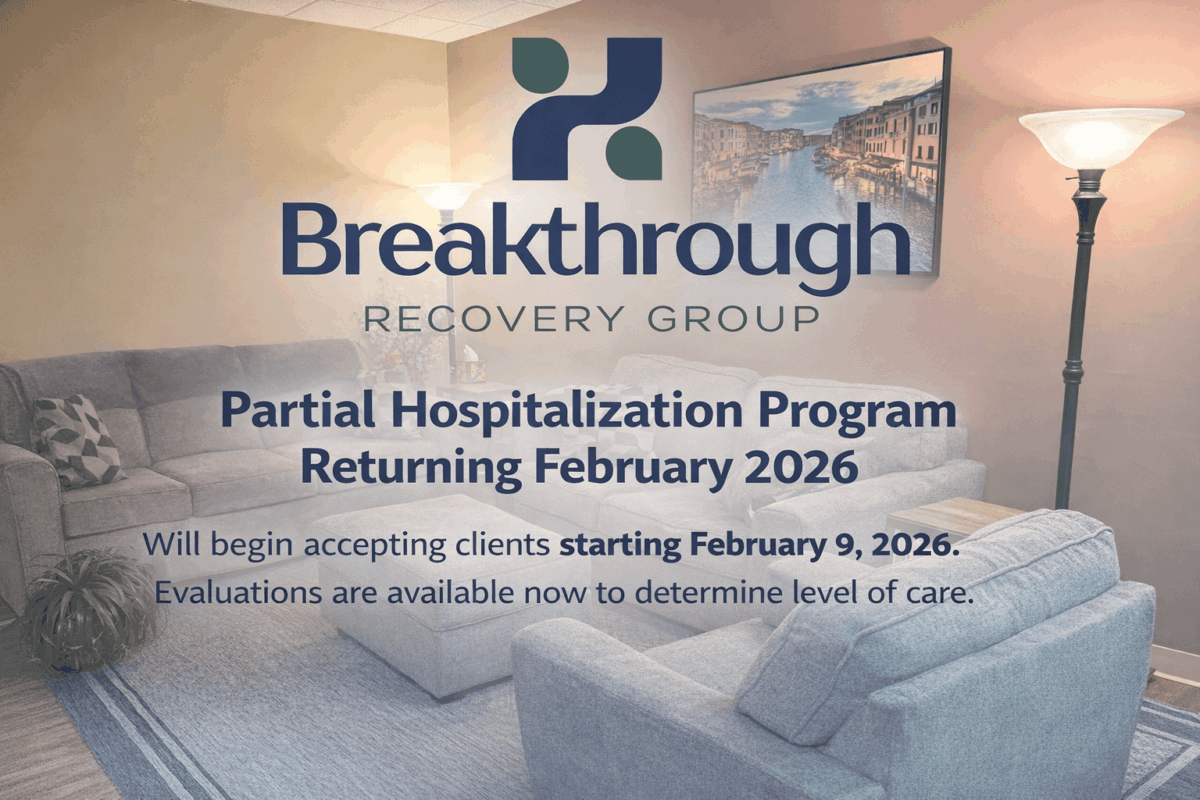
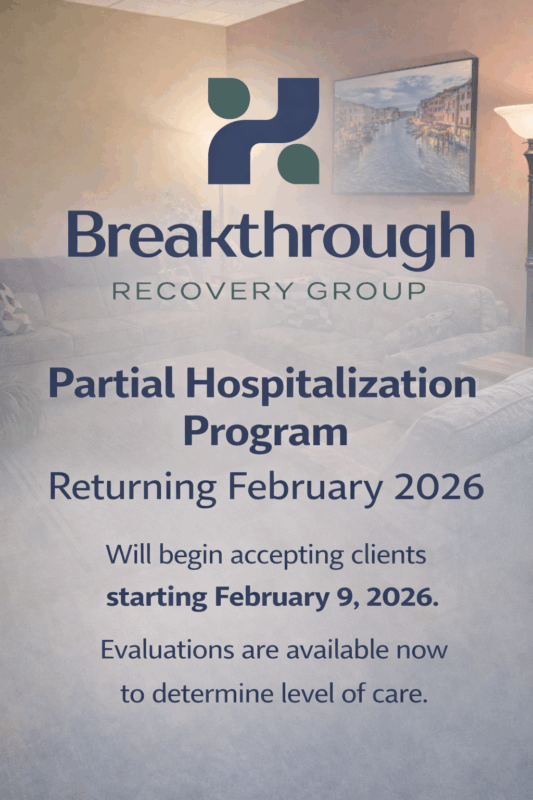
Partial Hospitalization Programs (PHP) provide the most intensive outpatient level of care, typically involving treatment for six or more hours daily, five to seven days per week. PHP offers structured, comprehensive treatment while allowing clients to return home each evening. This level suits individuals transitioning from inpatient care or those requiring intensive support while maintaining some connection to their home environment.
Intensive Outpatient Programs (IOP) typically involve treatment three to five days per week for approximately three hours per session. IOP provides substantial clinical support while allowing clients to maintain employment, education, or family responsibilities. This flexibility makes IOP an excellent option for individuals with strong support systems at home or those stepping down from more intensive treatment levels.
Outpatient Programs (OP) offer the most flexible treatment option, usually involving one to three sessions weekly. OP works well for individuals with stable recovery progress who need ongoing support, those stepping down from IOP, or people addressing substance use concerns before they escalate to more severe addiction. The reduced time commitment allows greater integration of recovery principles into daily life.
When considering a rehabilitation center Spokane Washington locals recommend, ensure they offer these varied levels of care. The ability to transition between levels based on progress and needs—without changing facilities or treatment teams—provides continuity that significantly enhances recovery outcomes.
The Importance of Family Involvement
Addiction affects entire family systems, not just the individual struggling with substance use. Family members often experience their own trauma, enabling behaviors, codependency, or strained relationships that need attention for comprehensive healing. Quality treatment programs recognize this reality and incorporate family support services into their programming.
Family therapy sessions help repair damaged relationships, improve communication patterns, and educate loved ones about addiction as a disease. Family members learn healthy boundary-setting, how to support recovery without enabling, and strategies for their own healing. When families engage in the treatment process, research consistently shows improved long-term outcomes for everyone involved.

Holistic Support Services
Recovery encompasses more than abstinence from substances—it involves rebuilding overall health and wellness. Forward-thinking treatment centers recognize this holistic perspective and offer services addressing multiple dimensions of wellbeing.
Nutritional coaching addresses the physical toll addiction takes on the body. Substance use often leads to poor nutrition, vitamin deficiencies, and metabolic disruptions that affect mood, energy, and overall health. Education about proper nutrition and developing healthy eating patterns supports both physical recovery and mental wellness, giving the body resources needed for healing.
Accreditation, Licensing, and Credentialing
When evaluating any rehabilitation center Spokane Washington area residents consider, verify the facility’s accreditation, licensing, and staff credentials. Legitimate treatment centers maintain proper state licensing and often pursue additional accreditation from organizations like The Joint Commission or CARF (Commission on Accreditation of Rehabilitation Facilities), which set rigorous standards for quality care.
Clinical staff should include licensed professionals such as psychologists, licensed clinical social workers, licensed professional counselors, and certified addiction counselors. Medical oversight from physicians or psychiatric nurse practitioners ensures appropriate medication management when needed. Don’t hesitate to ask about staff qualifications—quality programs are transparent about their team’s credentials and expertise.
Location and Environment Considerations
While clinical programming is paramount, the treatment environment also influences recovery. Some individuals benefit from treatment close to home, maintaining connections with support systems while accessing daily care. Others find that distance from triggering environments and relationships provides necessary space for focused healing.
Spokane offers unique advantages for recovery, combining access to outdoor recreation, a supportive recovery community, and quality healthcare resources. The area’s natural beauty provides opportunities for therapeutic outdoor activities that complement clinical programming. When choosing a rehabilitation center Spokane Washington offers, consider whether the location and environment support your personal recovery needs.
Insurance, Financial Considerations, and Accessibility
Treatment accessibility shouldn’t depend solely on financial resources. The Affordable Care Act requires most insurance plans to cover mental health and substance use disorder treatment at parity with other medical conditions. When researching a rehabilitation center Spokane Washington area residents trust, inquire about accepted insurance plans, financial assistance options, and transparent pricing.
Reputable facilities work with clients to verify insurance benefits and explain coverage before admission. Some programs offer sliding scale fees, payment plans, or scholarships for those facing financial barriers. Treatment is an investment in your future, and quality programs help clients navigate financial aspects to access needed care.
Red Flags to Avoid
Unfortunately, not all treatment facilities operate with clients’ best interests as their primary concern. Be wary of programs making unrealistic promises like “guaranteed recovery” or “cure” claims—addiction is a chronic condition requiring ongoing management, not a problem with a quick fix. Avoid facilities using high-pressure sales tactics, refusing to answer questions about their approach, or making treatment decisions based primarily on insurance coverage rather than clinical needs.
Quality programs conduct thorough assessments before admission, provide individualized treatment planning, and maintain transparent communication about their methods, success rates, and limitations. They employ licensed professionals, maintain proper accreditation, and prioritize clinical outcomes over financial considerations.
Making Your Decision
Choosing a rehabilitation center Spokane Washington residents trust requires research, questions, and honest assessment of your needs. Consider factors like treatment philosophy, clinical approaches offered, levels of care available, staff credentials, environment, and practical considerations like location and insurance acceptance.
At Breakthrough Recovery, we’ve built our reputation on providing compassionate, evidence-based treatment that addresses the whole person. Our comprehensive approach treats substance use disorders ranging from alcohol and opioid addiction to challenges with methamphetamines, cocaine, fentanyl, and marijuana. We recognize that mental health and addiction are deeply intertwined, which is why our programs address depression, anxiety, bipolar disorder, PTSD, and trauma alongside substance use concerns.
Our clinical services include proven therapeutic approaches like DBT, CBT, Motivational Interviewing, EMDR, and relapse prevention education, delivered by experienced licensed professionals. We offer multiple levels of care—from Partial Hospitalization and Intensive Outpatient to Outpatient Programs—allowing us to match treatment intensity to individual needs and adjust as recovery progresses.
We understand that recovery affects families, which is why family support services are integrated into our programming. We also recognize that true wellness extends beyond abstinence, incorporating nutritional coaching and holistic support to rebuild overall health and quality of life.
Taking the First Step
If you or someone you love is struggling with addiction or mental health challenges, reaching out for help demonstrates tremendous courage. The journey toward recovery begins with a single step, and choosing the right rehabilitation center Spokane Washington residents depend on provides the foundation for lasting transformation.
Recovery is possible, and you don’t have to navigate this journey alone. Quality treatment programs offer hope, evidence-based interventions, compassionate support, and practical tools for building a life beyond addiction. By carefully evaluating your options and selecting a rehabilitation center Spokane Washington families trust, you’re investing in a healthier, more fulfilling future.
Don’t let another day pass living in the shadow of addiction or mental health struggles. Reach out to learn more about treatment options, ask questions, and begin the conversation about recovery. The right support is available, and taking that first step toward healing can change everything.
Your recovery journey deserves the support of experienced professionals, evidence-based treatment, and a program designed around your unique needs. With the right rehabilitation center Spokane Washington offers, lasting recovery isn’t just possible—it’s within reach. For more information, visit our website https://btrgspokane.com/ or call us at (509) 927-6838.
Frequently Asked Questions
How long does treatment typically last?
Treatment duration varies based on individual needs and the level of care. Partial Hospitalization Programs typically last two to four weeks, Intensive Outpatient Programs run four to twelve weeks, and Outpatient Programs may continue for several months. Your treatment team will create a personalized plan and adjust the timeline based on your progress and recovery goals.
Will insurance cover addiction treatment?
Most insurance plans cover mental health and substance use disorder treatment. Coverage varies by provider and plan, so we recommend contacting us to verify your specific benefits. Our admissions team can help you understand your coverage, out-of-pocket costs, and available financial assistance options.
Can I continue working while in treatment?
Many people maintain employment while participating in our Intensive Outpatient or Outpatient Programs, which are designed with flexibility in mind. These programs typically offer morning, afternoon, or evening sessions to accommodate work schedules. Partial Hospitalization requires a more significant time commitment and may require taking time off work.
What happens after I complete the program?
Recovery is an ongoing journey that extends beyond formal treatment. We provide continuing care planning that includes step-down recommendations, alumni support resources, referrals to community support groups, and strategies for maintaining long-term sobriety. Many clients transition through our levels of care, moving from more intensive to less intensive support as their recovery strengthens.
Do you treat co-occurring mental health disorders?
Yes, integrated dual diagnosis treatment is central to our approach. We address mental health conditions like depression, anxiety, bipolar disorder, and PTSD alongside substance use disorders, recognizing that treating both simultaneously produces the best outcomes for lasting recovery.